HVAC ANSWERS · COMMERCIAL AND INDUSTRIAL HVAC
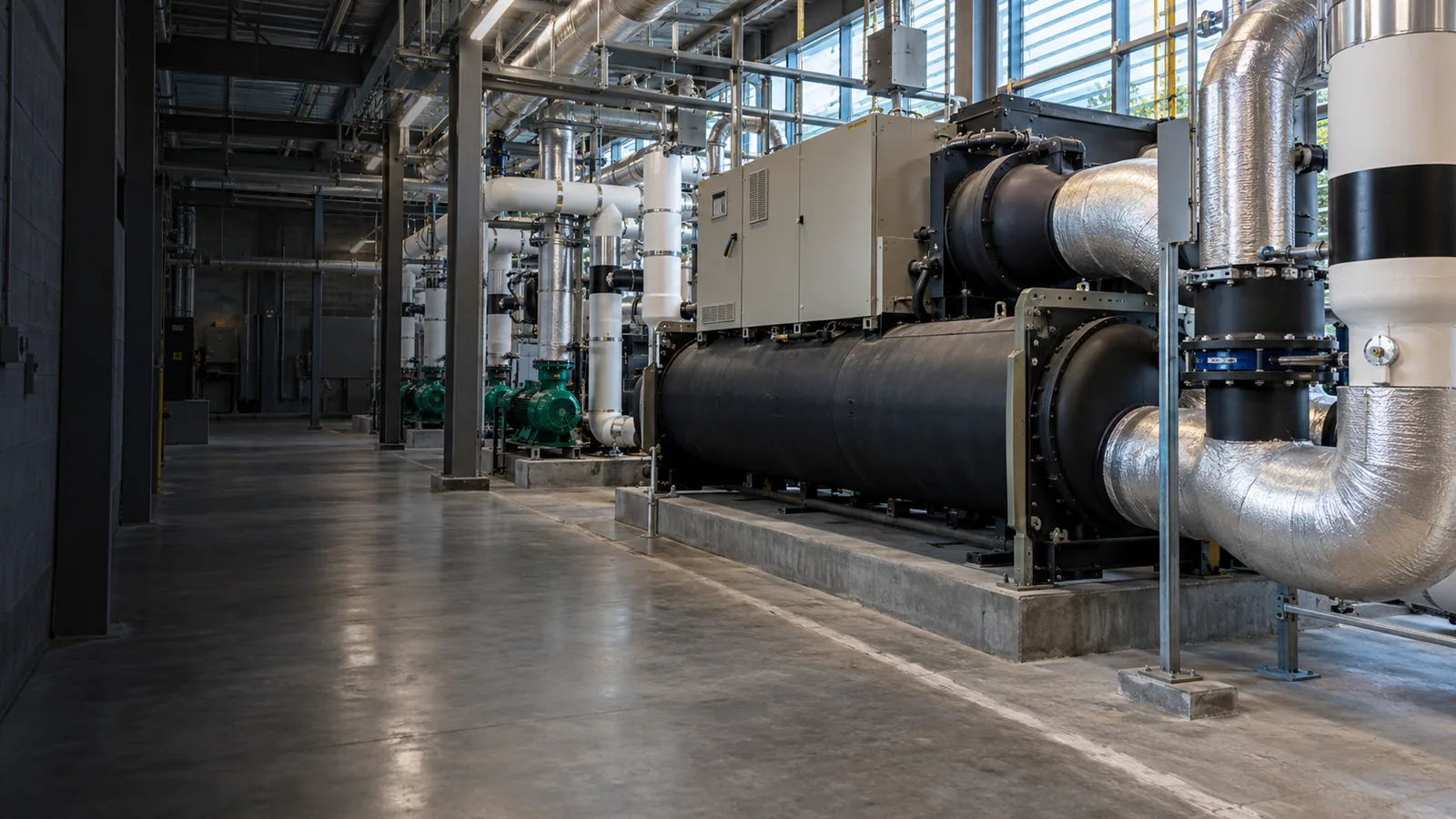
Commercial boilers and chillers
Commercial guidance with direct answers, useful observations, and clear next steps.
Updated
Quick answer
A boiler or chiller assessment should begin with the asset list, capacity, load profile, operating sequence, controls, pumps, heat-rejection or combustion systems, water treatment, maintenance history, safety devices, efficiency data, redundancy, and critical downtime limits. Scope and qualifications must match the equipment and fuel or refrigerant involved. Ask for measured findings, documented deficiencies, and a clear boundary between maintenance and corrective work.
Understand the issue
Central-plant performance depends on more than the boiler or chiller itself. Distribution, pumps, heat rejection, water treatment, controls, and load patterns can determine whether a plant meets demand safely and efficiently.
Your questions, answered
What should be included in a commercial boiler assessment?
Assess equipment condition, combustion where applicable, water-side condition, pumps, controls, safeties, operating records, and load requirements. Identify required inspections and distinguish observations from tests needing a shutdown.
How do I scope chiller maintenance?
Specify manufacturer tasks, refrigerant and oil checks where applicable, heat-exchanger condition, water treatment, flow, controls, and performance trends. Define specialist responsibilities and how results will be documented.
What records matter for a central plant?
Keep asset data, sequences, drawings, operating logs, alarms, water-treatment results, inspections, repairs, and baseline performance. Missing records increase uncertainty when comparing repair, optimization, and replacement options.
Should boiler and chiller proposals include controls testing?
Yes. Include sequence verification, staging, sensor checks, alarms, safeties, and integration with pumps and other plant equipment. A standalone equipment test does not demonstrate that the entire plant operates correctly.
How do I compare commercial plant service providers?
Compare experience with the actual plant, technical staffing, safety procedures, reporting, emergency response, and scope exclusions. Require a clear plan for shutdowns, specialist support, and measured acceptance.
What to do next
When to get help
Use qualified plant specialists and engineering support for pressure equipment, combustion, refrigerant work, and major modifications. Site requirements and equipment instructions govern the work.
Sources and further reading
These references support the topic's technical background. For equipment-specific procedures, use the instructions for the exact model; for permits and compliance, check with the responsible local authority.
Educational guidance from HVACentric. Conditions at a property require direct assessment; these pages do not diagnose equipment or certify an installation.