HVAC ANSWERS · EQUIPMENT AND EFFICIENCY
Heat-pump defrost cycles
Residential guidance with direct answers, useful observations, and clear next steps.
Updated
Quick answer
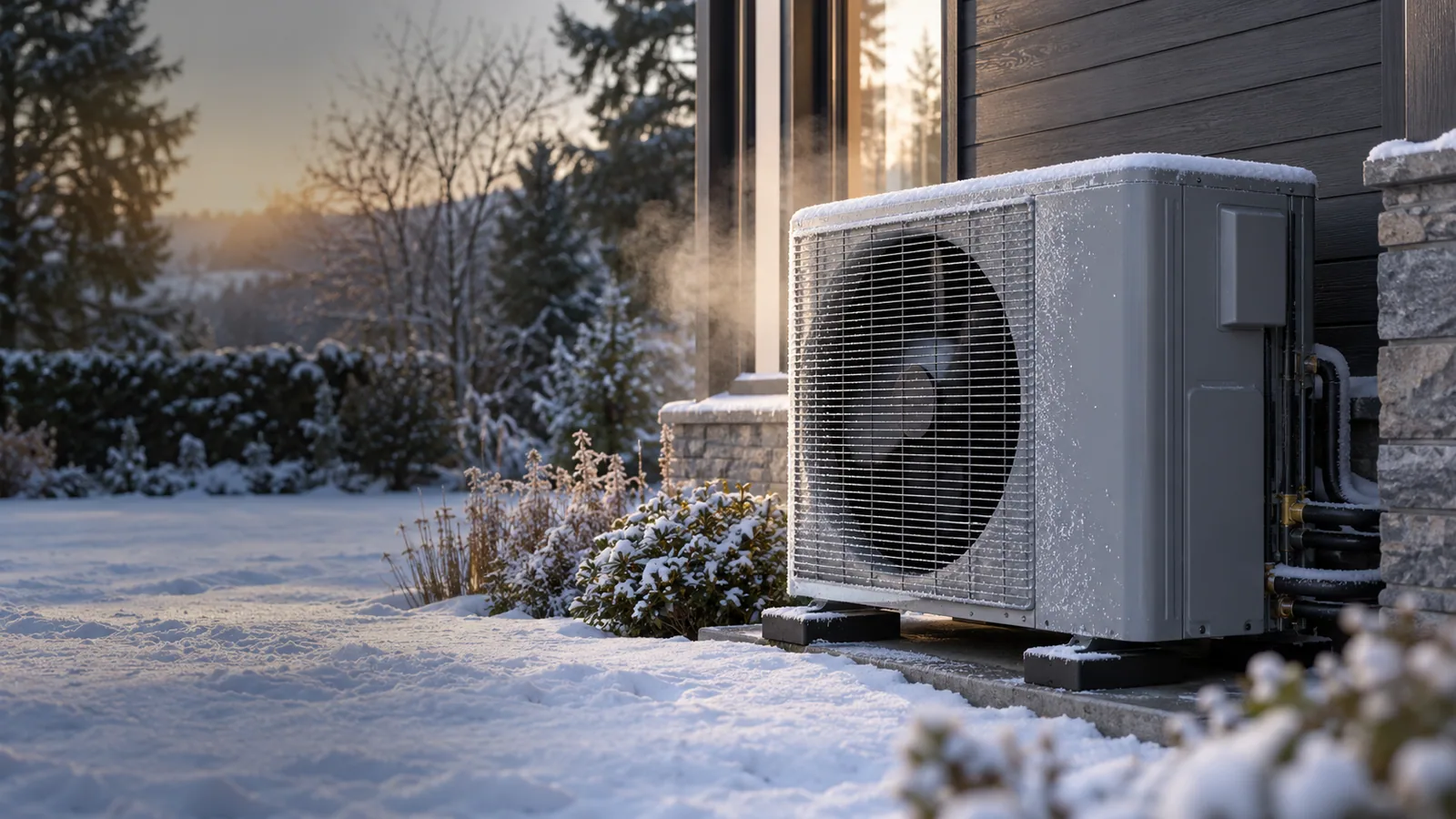
Some frost on an outdoor heat-pump coil can occur during cold-weather operation, and the system may temporarily reverse operation to defrost it. Water vapor during that cycle can look like steam. Thick ice that remains, repeated ineffective defrosting, unusual noise, or loss of heat should be evaluated because airflow, drainage, controls, sensors, or equipment operation may be involved.
Understand the issue
During heating, an outdoor heat-pump coil can be colder than the surrounding air. Moisture may freeze on it, so the controls periodically remove frost. A temporary change in sound, fan operation, or delivered heat can accompany that sequence.
Your questions, answered
Why does my heat pump go into defrost mode?
Defrost removes frost that would otherwise interfere with outdoor-coil airflow and heat transfer. The system temporarily changes operation, then should return to normal heating when the defrost sequence finishes.
Is steam from the outdoor heat pump normal?
A brief cloud of water vapor can occur as frost melts. Persistent smoke, a burning smell, or electrical arcing is a different condition and should not be dismissed as normal defrost.
How long should a heat-pump defrost cycle last?
There is no single duration that applies to every model. Controls, sensors, weather, and frost conditions determine the sequence. Check the model's instructions; a cycle that fails to clear ice or restore heating needs service.
Why does the outdoor coil frost in winter?
The outdoor coil absorbs heat while operating below outdoor-air temperature. When its surface is cold enough, moisture can freeze there even though the equipment is performing a normal heating function.
When is heat-pump ice a service problem?
Persistent thick ice, a fan striking ice, repeated unsuccessful defrosting, or falling indoor temperature warrants evaluation. Do not chip the coil, pour boiling water on it, or bypass the defrost controls.
What to do next
When to get help
Stop operation if ice contacts moving parts or abnormal sounds occur. Ask a technician to evaluate airflow, drainage, sensing, and the complete defrost sequence.
Sources and further reading
These references support the topic's technical background. For equipment-specific procedures, use the instructions for the exact model; for permits and compliance, check with the responsible local authority.
Educational guidance from HVACentric. Conditions at a property require direct assessment; these pages do not diagnose equipment or certify an installation.