HVAC ANSWERS · EQUIPMENT AND EFFICIENCY
Heat pumps in cold weather
Residential guidance with direct answers, useful observations, and clear next steps.
Updated
Quick answer
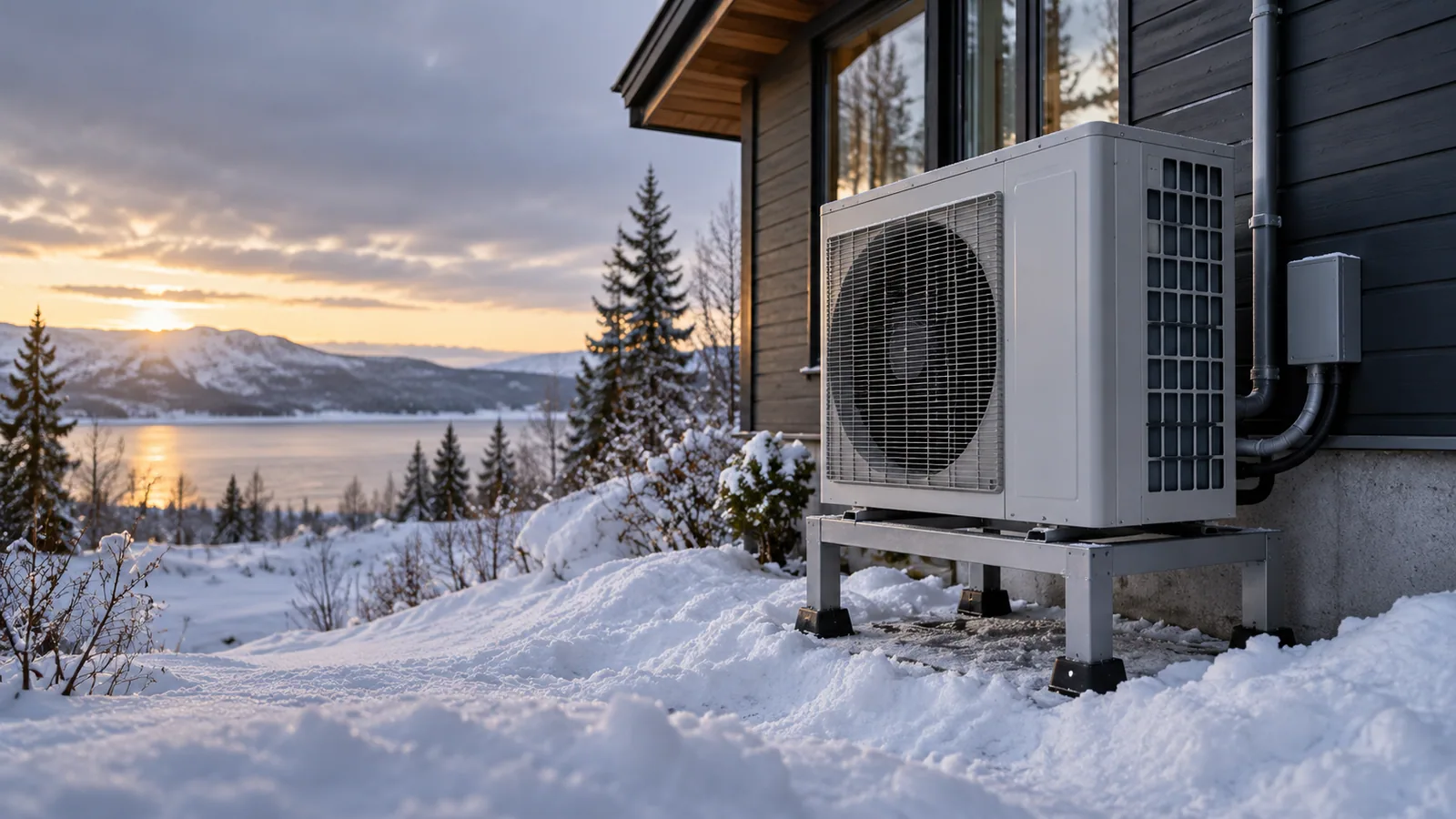
Modern heat pumps can operate in cold weather, but capacity and efficiency change as outdoor temperature falls. A good proposal considers the building load, the selected equipment’s published low-temperature performance, electrical service, controls, ducts or indoor units, and the backup-heat strategy. Climate suitability cannot be decided from the words “heat pump” alone.
Understand the issue
Cold-weather suitability is a model-selection and building-load question. A heat pump's heating capacity and efficiency change with outdoor temperature, so a seasonal rating alone does not establish whether it can meet a particular home's winter demand.
Your questions, answered
Do heat pumps work in cold weather?
Yes, appropriately selected heat pumps can heat in cold climates. The relevant questions are the specific model's low-temperature output, the home's heat loss, and how the system manages defrost and supplemental heat.
Will a heat pump heat my home below freezing?
Many models operate below freezing, but available capacity varies. Compare the manufacturer's output at local design temperatures with the calculated load instead of assuming every heat pump has the same limit.
What is a cold-climate heat pump?
It is a heat pump designed and rated for useful low-temperature performance. Check the exact model's published heating data and any claimed certification rather than relying only on the words cold climate in advertising.
Does a heat pump need backup heat?
Some installations need backup or supplemental heat; others can meet the design load without it. The choice depends on equipment capacity, design temperature, resilience needs, and the building's heating requirements.
Can I use a heat pump in a northern state?
Yes, with suitable design. Northern locations require careful load calculation, low-temperature equipment selection, outdoor-unit placement, defrost drainage, and an agreed supplemental or emergency-heating strategy where needed.
What to do next
When to get help
Use a contractor experienced with local cold-climate installations. A properly designed system needs more evidence than a promise that heat pumps work everywhere.
Sources and further reading
These references support the topic's technical background. For equipment-specific procedures, use the instructions for the exact model; for permits and compliance, check with the responsible local authority.
Educational guidance from HVACentric. Conditions at a property require direct assessment; these pages do not diagnose equipment or certify an installation.