HVAC ANSWERS · INDOOR AIR QUALITY
Air-duct cleaning
Residential guidance with direct answers, useful observations, and clear next steps.
Updated
Quick answer
Routine duct cleaning is not automatically necessary for every home. First identify the reason being considered, such as substantial visible contamination, debris release, pest activity, moisture damage, or a specific obstruction. Correct moisture or pest sources before cleaning. Ask what portions of the system will be cleaned, how the building will be protected, and what evidence supports any health or energy claim.
Understand the issue
Duct cleaning is a targeted service decision, not an automatic response to dusty grilles. The question is whether there is evidence of contamination or debris requiring removal, and whether the cause has been corrected.
Your questions, answered
Do I need my air ducts cleaned?
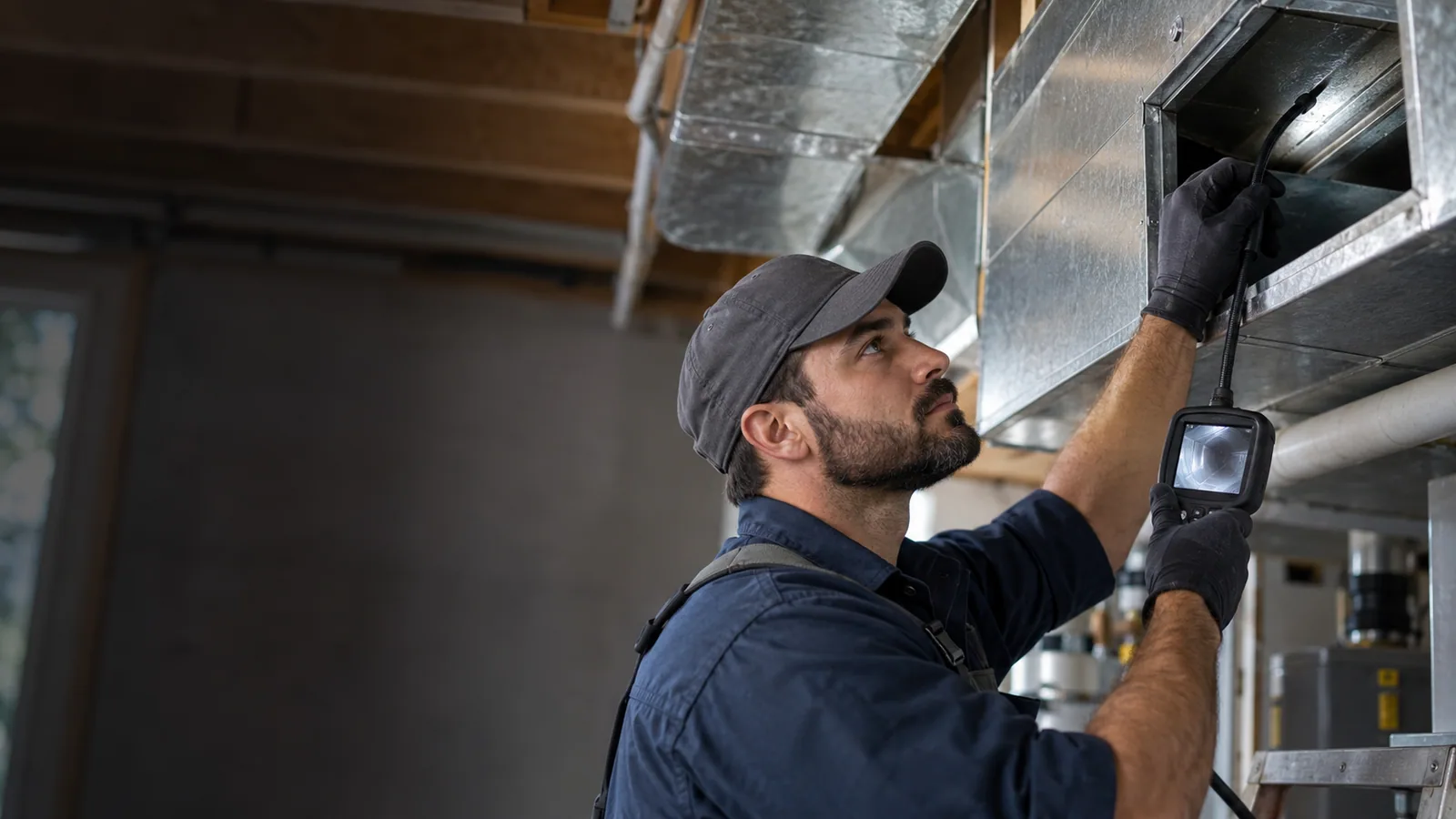
Consider evidence such as substantial visible contamination, vermin, or excessive debris being released. Ask the provider to show the affected area and explain why cleaning is appropriate rather than relying on a promotional inspection.
How often should ducts be cleaned?
There is no universal routine interval recommended for every home. Decide from actual conditions, relevant events, and qualified assessment rather than purchasing recurring cleaning solely because another year has passed.
Will duct cleaning improve air quality?
It may address a specific contamination problem, but it is not a general guarantee of better indoor air or health. Correct moisture and other sources first, and define which components will be cleaned.
Are dirty ducts making me sick?
Dirty-looking ducts cannot establish the cause of an illness. Discuss symptoms with a healthcare professional and investigate building sources where appropriate; avoid accepting a health diagnosis from a duct-cleaning sales presentation.
What should I verify before hiring a duct cleaner?
Verify experience, inspection evidence, the full cleaning scope, protection of occupied areas, exclusions, and proposed chemicals. Ask how results will be checked and whether damaged materials need replacement instead.
What to do next
When to get help
Use qualified assessment for suspected mold, damaged insulation, or hazardous materials. Do not approve indiscriminate chemical application without understanding its suitability and limitations.
Sources and further reading
These references support the topic's technical background. For equipment-specific procedures, use the instructions for the exact model; for permits and compliance, check with the responsible local authority.
Educational guidance from HVACentric. Conditions at a property require direct assessment; these pages do not diagnose equipment or certify an installation.