HVAC ANSWERS · COMFORT AND AIRFLOW
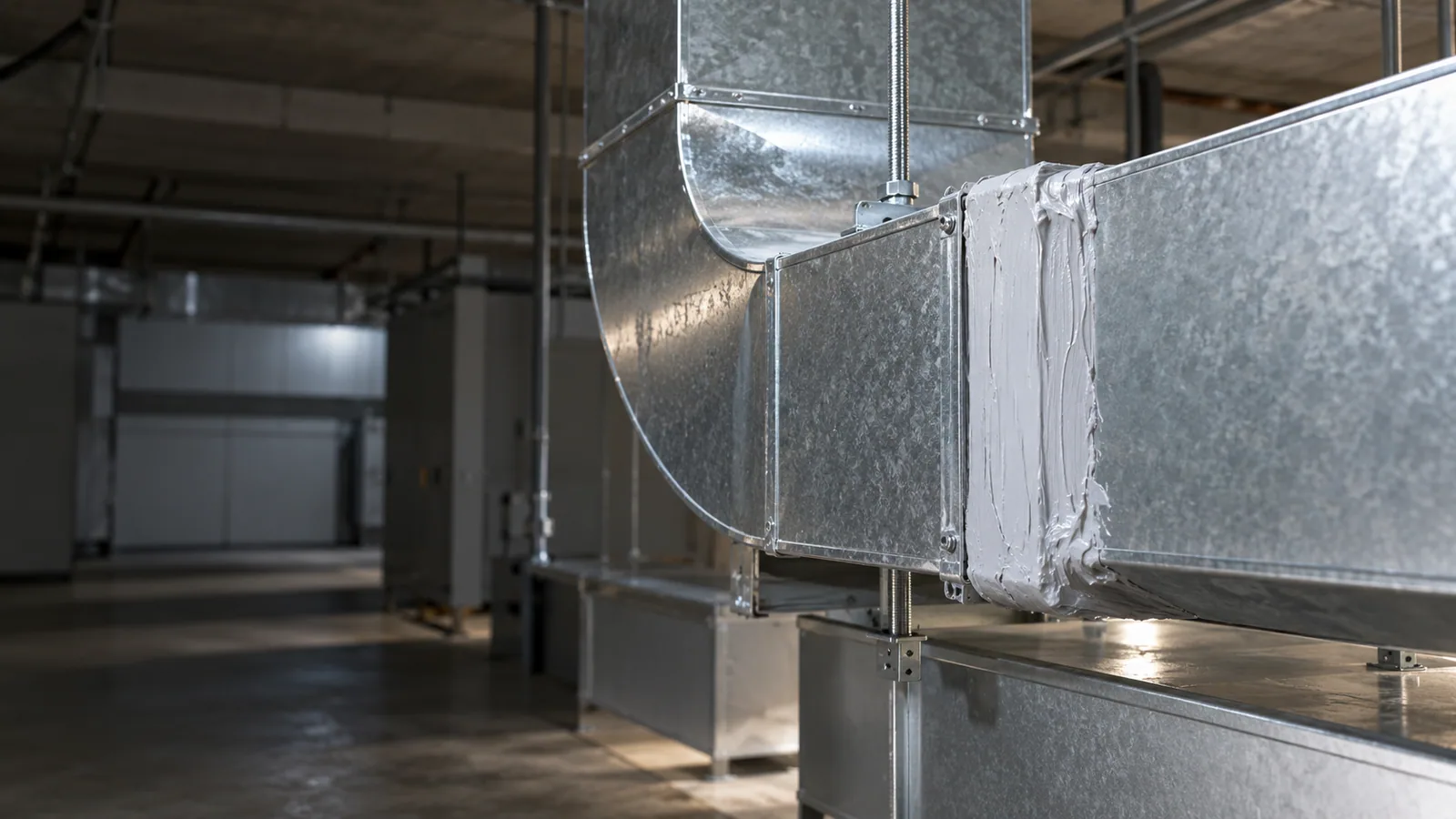
Leaking or disconnected ductwork
All guidance with direct answers, useful observations, and clear next steps.
Updated
Quick answer
Duct leakage can lose conditioned air, pull unwanted air into the system, and contribute to comfort, pressure, dust, and energy problems. A useful assessment inspects accessible ducts and may measure leakage or pressure rather than relying only on a visual guess. Repair methods should match the duct material and address disconnected, crushed, poorly supported, or contaminated sections as well as gaps.
Understand the issue
A duct defect can waste conditioned air, draw unwanted air into returns, or keep a room from receiving its intended airflow. Repair decisions should consider leakage, insulation, duct condition, and capacity together.
Your questions, answered
How can I tell whether my ducts are leaking?
Clues include disconnected sections, damaged insulation, dusty leakage marks, and persistent room imbalance. Many leaks are hidden, so visual observations should be confirmed by an appropriate duct assessment.
Can duct leakage cause high energy bills?
Yes. Air lost outside the conditioned space increases the work needed to maintain comfort. The effect depends on leak location, size, pressures, and building conditions, so savings cannot be predicted from a photo alone.
Why is conditioned air going into the attic?
A disconnected or leaking supply duct may discharge into the attic. Have the system inspected safely; do not enter an unsafe attic or assume more attic insulation will correct a detached duct.
Should damaged ductwork be sealed or replaced?
Sound ducts with accessible joints may be repairable and sealable. Crushed, deteriorated, contaminated, or badly sized sections may need replacement. Request an explanation of why each section is being repaired or replaced.
What testing finds leaks in air ducts?
A duct pressurization test measures leakage, while airflow and static-pressure tests help assess delivery and restriction. Specify what is being measured and ask for before-and-after results.
What to do next
When to get help
Use a qualified contractor for inaccessible ducts, pressure testing, or changes affecting system airflow. Avoid disturbing suspected asbestos-containing materials or damaged building insulation.
Sources and further reading
These references support the topic's technical background. For equipment-specific procedures, use the instructions for the exact model; for permits and compliance, check with the responsible local authority.
Educational guidance from HVACentric. Conditions at a property require direct assessment; these pages do not diagnose equipment or certify an installation.